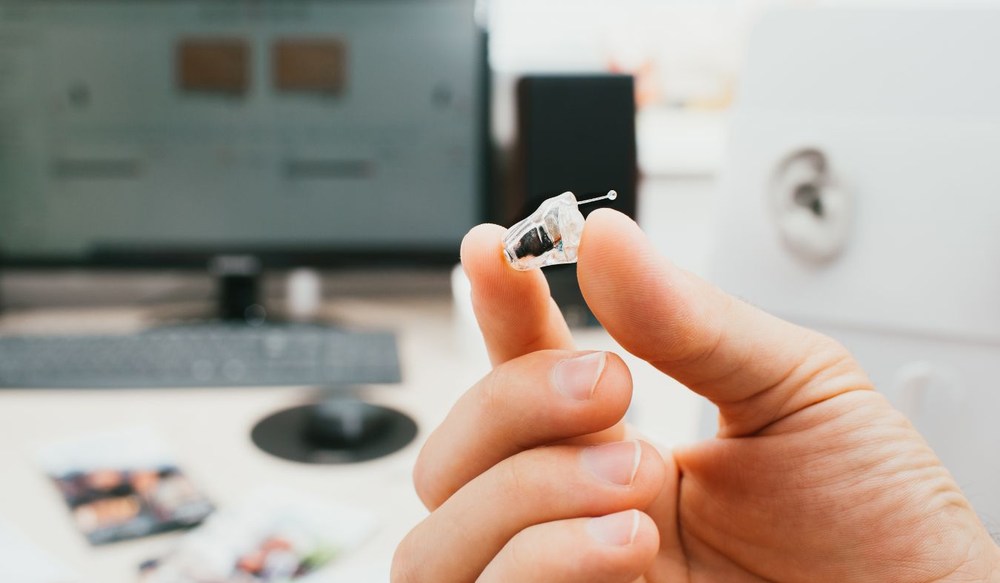
Think about the last time you left the house without your earbuds. For a lot of us, they’re now as routine as grabbing a phone or wallet before heading out. They’re in for the commute and stay in for back-to-back video calls.

They come along for an afternoon walk or a gym session, and sometimes a podcast is still playing at bedtime. What used to be an occasional listening session can now stretch across much of the day.

None of those uses stands out much on its own. What’s easy to miss is how many hours of listening they can create when you add up an entire week.

Looking at your total earbud use can help you understand your listening habits without assuming you need to stop using something that’s part of your everyday routine.

How Hearing Supports Communication

Hearing gives you access to more than the words someone says. It also lets you pick up changes in tone, pauses and emphasis that can change the meaning of a conversation.

A short answer may sound joking, irritated or uncertain depending on how it is said. Those details are easy to miss when speech is harder to hear clearly.

Conversation also depends on timing. You need to know when someone has finished speaking, when another person is jumping in and when a quiet comment is meant for you.

In group settings, hearing helps you follow those shifts without asking people to repeat themselves. That makes it easier to stay with the conversation instead of trying to fill in what you missed.

What Happens When Sound Moves from Devices to Your Ears

Sound travels from your headphones to your ears as vibrations through the air. These vibrations enter your ear canal, reach the eardrum and then move to the inner ear, where they are turned into signals your brain can understand.

Earbuds send sound directly into the ear canal, which can make loud noises more intense. Keeping the volume at a safe level and taking breaks during listening sessions can help protect your hearing.

How Daily Screen Use Affects Your Routine

Screen use isn’t limited to one part of the day anymore. You may answer a message while eating breakfast, check something online between errands or spend part of the evening watching videos.

Since each use may only last a few minutes, it’s easy to underestimate how often you’re looking at a screen.

Frequent checking can also affect how you get through everyday tasks. You might stop halfway through something to read a notification, then need a minute to remember what you were doing.

Screens can be useful for work and staying in contact with people, but they can also become something you reach for without thinking. Looking at when you use them can show you which habits are useful and which ones are simply routine.

Reasons Earbuds Have Become a Top Choice for Listening

Earbuds fit easily into the way people listen now because they work across so many parts of the day. You can use the same pair for music on a walk, a work call at your desk or a podcast while doing chores.

They take up very little space, connect quickly to phones and laptops and are easy to carry when you’re moving between places. Wireless designs also remove the cord, which makes them simpler to use during exercise or travel.

For a lot of people, the appeal is less about one standout feature and more about having one small device that works in several situations without much setup.

Comparing Earbuds with Other Common Headphones

The biggest difference between earbuds and larger headphones is how close the speaker sits to your ear canal. Earbuds deliver audio from inside or just outside the canal.

Over-ear headphones place the speaker farther away, with a padded cup surrounding the ear. On-ear models sit somewhere between the two, with the speaker resting against the outer ear.

How much outside noise gets through also changes with the design. A well-sealed earbud can shut out quite a bit without taking up much space.

Larger headphones rely more on the ear cups, padding or electronic noise cancellation. Since each style handles outside noise differently, you may end up using different volume levels without realizing it.

How Device Volume Settings Affect Your Hearing Health

The volume setting on your phone or tablet controls how much sound the earbuds send toward your ears.

Higher settings increase that output, and the effect becomes more important the longer you keep listening. A short burst at a louder level is different from spending hours there, so the setting and the time both matter.

The number on the screen can be misleading because devices do not all use the same scale. Half volume on one phone may not match half volume on another.

Earbud fit changes things too, since a good seal can make audio sound fuller without needing as much output. The most useful gauge is how loud the music sounds at your ear, not the percentage shown on the display.

Recognizing When Your Ears Need Rest from Noise Exposure

Your ears can sometimes use a quieter stretch after you’ve spent a long time listening through earbuds or around other loud sounds. Pay attention to changes like:

    • Music sounds less clear afterward: Give yourself some quiet time before putting your earbuds back in.
    • Ringing starts after listening: A temporary tone or buzz can be a reason to step away from audio for a while.
    • Normal sounds seem unusually dull: Let your ears recover instead of immediately turning up another device.
    • You keep raising the volume: What sounded comfortable earlier may seem too quiet after extended listening.
    • Listening starts to feel tiring: Take the earbuds out and spend some time without extra audio playing.
    • Your ears feel sensitive to sounds: A quieter period may feel more comfortable before you start listening again.

Differences Between Short-Term and Long-Term Effects of Earbud Use

Long-term effects can develop if you use earbuds at high volumes or for long periods over many months or years. This can lead to lasting hearing loss that does not improve with rest.

Paying attention to early warning signs and making safer listening choices can help lower the risk of permanent changes to your hearing.

Setting Healthy Boundaries for Screen and Earbud Use Each Day

Boundaries work better when they fit into things you already do rather than relying on a strict daily limit. You might leave your earbuds out during lunch or keep the first few minutes of a walk quiet.

Another option is to finish one task before checking your phone instead of moving back and forth between the two. Small breaks like these create natural gaps in both screen time and listening.

It also helps to separate activities that don’t need to happen together. A podcast doesn’t always need to play while you’re scrolling, and a video call doesn’t have to lead straight into music afterward.

Choosing one at a time gives your attention a break from constant input. You still get to use your devices throughout the day without having every open moment occupied by a screen or audio.

Easy Ways to Protect Your Hearing at Home and in School Settings

Home and school put you around different kinds of noise, so protecting your hearing won’t look the same everywhere. Some practical ways to do it include:

    • Check your volume before class starts: A setting you used on a noisy bus may be louder than you need in a quiet classroom.
    • Give the earbuds a break at lunch: Leave them in your bag while you eat or talk with friends.
    • Step back from speakers: A few extra feet can reduce how much sound reaches you at dances, assemblies or other school events.
    • Grab ear protection before a loud project: Shop class, band practice or work in the garage may call for it.
    • Let your phone warn you: Many devices can track headphone levels and tell you when your listening has been running high.
    • Turn something off when you don’t need it: If you’re studying with music playing but aren’t really listening anymore, take the earbuds out.

Knowing When to Consult an Audiologist About Changes in Hearing

A professional hearing test looks at how you hear different pitches and speech, giving you information that’s difficult to get from listening alone.

Your appointment can also include a conversation about how you use personal audio. An audiologist can look at your usual volume, listening time and earbud habits alongside your test results.

From there, you can discuss ways to keep enjoying your devices while being mindful of how much sound your ears receive.

Protecting Your Hearing

You don’t have to change your whole routine to be more aware of how much you’re listening. Most phones already track headphone audio levels, so you can see how many hours you’ve logged and how loud they’ve been.

You may find that your listening time is higher than you expected, even when no single session seems particularly long.

Lowering the volume a few notches can reduce that total exposure. Even leaving your earbuds out for a while between sessions gives your ears some time without added audio.

A hearing test shows you something your phone can’t: how you’re hearing today. Keeping those results gives your audiologist an earlier test to look back on when you return in the future.

Bluegrass Hearing Clinic has hearing clinics across Kentucky, including Bardstown, Danville, Elizabethtown, Fort Mitchell, Lexington, Mount Sterling, Nicholasville, Paris, Richmond and Somerset. Call us at (859) 295-5729 to schedule an appointment.