
How Long Does it Take to Adjust to New Hearing Aids?
Most people pick up their first pair of hearing aids with a mix of relief
Now Offering Oto Pro for Tinnitus Management! LEARN MORE →
By: admin | March 25, 2026
Most people pick up their first pair of hearing aids with a mix of relief and a quiet “now what.”
The decision to get them is usually the part that gets all the attention, and then suddenly you’re sitting with something new in your ears, trying to figure out what normal is supposed to feel like.
That “now what” period is real, and it’s worth talking about honestly. Your brain has been working with a certain version of sound for a long time, and hearing aids change that. Sounds you had stopped noticing come back.
Your own voice might feel different. Things that should feel familiar might take a beat to register that way. None of that means something is wrong. It means your brain is doing exactly what it’s supposed to do, catching up to new information and that process takes time. How much time looks different for everyone, and that’s actually OK.
Hearing aids act like tiny computers for your ears. They do not just turn up the volume on everything. Instead, they pick out the specific sounds you struggle to hear and make them clear. At the same time, they keep loud background noise at a level that feels natural.
The whole process happens in a split second. A tiny microphone on the device catches sound waves and turns them into digital signals. A chip inside the aid then adjusts those signals for your unique needs.
If you have trouble with high-pitched voices but hear low bass sounds fine, the device only boosts what you lack.
Once the chip treats the sound, it sends a clear signal to a small speaker inside your ear canal. This part turns the digital data back into sound waves your brain can use. This refined audio helps you follow a story in a busy room without the mental drain that comes from constant guesswork.
Your brain works hard to make sense of the sounds around you. When you begin wearing hearing aids, it has to adjust to hearing things that may have been faint or missing for some time.
This adjustment takes patience because your brain is relearning how to sort through sound and decide what deserves your attention.
In the early days, normal noises may stand out more than you expect. Footsteps, running water, rustling paper or the buzz of household appliances can seem louder or sharper than they did before.
This happens because your brain is hearing these sounds more clearly again and is still figuring out how to organize them. With regular use, listening often becomes easier as your brain sends these familiar sounds to the background.
When you first begin wearing hearing aids, some sounds may seem a little different than you expect. Your ears are picking up details that may have been faint or missing for some time, and your brain is still adjusting to processing them again. Because of this, certain sounds around you may stand out more than they used to.
You might notice changes in sounds like:
You may notice that speech and background noise sound different when you start using hearing aids. Voices may seem clearer but also sharper, and background sounds might stand out more than before.
In busy places, it may take extra effort to follow conversations. These changes are common as your brain learns to sort out speech from other noises. With time, this process becomes easier.
Your brain needs time to relearn how to process a full range of sound. When you first put on hearing aids, your brain gets hit with a flood of data it has ignored for years. If you only wear the devices for an hour here or there, your brain treats every sound like a weird, new intrusion.
When you commit to a full day of use, your mind starts to sort through the chaos. The clink of a fork on a plate or the rustle of your jacket might startle you at first, but constant exposure teaches your brain to tuck those sounds away where they belong. This change turns a potentially overwhelming world of noise back into a layered one where you can focus on a voice without every small noise demand your full attention.
Consistent use moves these devices from a tool you “put on” to a part of how you live. After a few weeks of all-day wear, the tech fades into the background. You find yourself through the day without a single thought about what sits in your ear, because your brain finally trusts the sounds it hears again.
When you first put a device in your ear, you will notice it. Your ear canal is sensitive and is not used to an object that stays in place all day. At first, it might feel like a mild tickle or a sense of pressure. This sensation is normal and usually fades as your skin and nerves get used to the touch.
The way your own voice sounds often feels different too. A device can physically block the ear canal, which makes your voice sound a bit hollow or like an echo in your head. Most modern designs include vents to let air and natural sound pass through, which helps this sensation go away.
After a week or two, the presence of the device becomes less obvious. Your body starts to treat it like a watch or a pair of glasses. You eventually reach a point where you forget it is even there until you go to take it out at night.
The style of your device plays a big part in how fast you get used to it. An open-fit model leaves the ear canal mostly unblocked.
This design lets natural sound and air pass through. It helps your own voice sound more normal and reduces that “plugged up” feeling. Because it feels light and airy, many people find it easy to adapt to this style within the first few days.
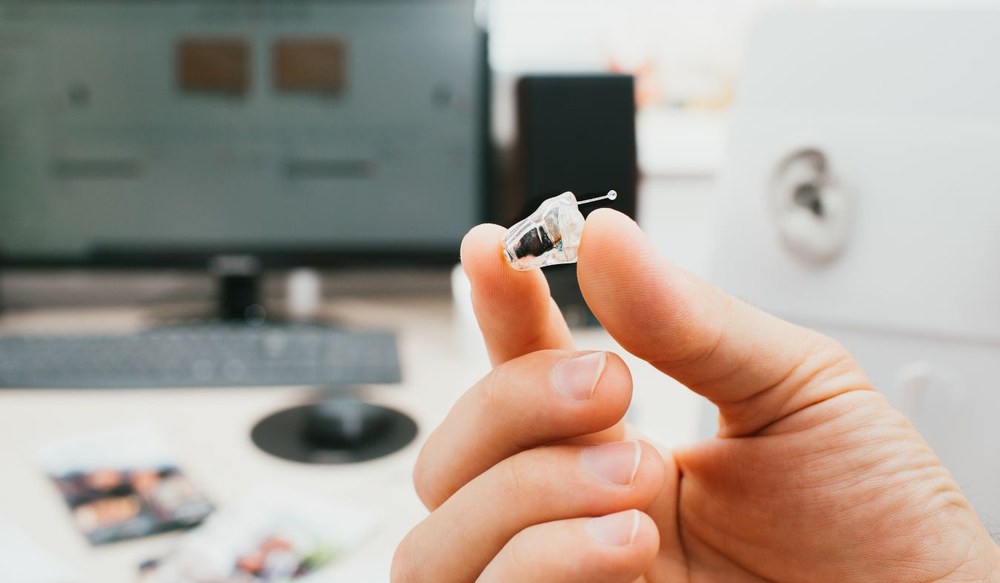
In contrast, a more discreet, closed-fit device sits deep in the canal to stay out of sight. While this style provides a very clear and focused sound, it also seals the ear more tightly. This seal can make your voice sound like it echoes in your head, which might take longer for your brain to ignore.
Your choice is a balance between how you want it to look and how you want the world to sound as you adjust.
Daily tasks feel much more natural when you build a few simple habits around your hearing aids. If you have a pair, you should wear both devices to help your brain pinpoint exactly where a sound starts. This balance makes it easier to track a conversation in a busy room and helps you feel more aware of your surroundings.
Small changes to your environment also take the strain out of a normal day:
A strong relationship with your audiologist ensures your technology keeps up with your life.
While your brain does a lot of the work to adjust, some hurdles require a technical fix rather than just more time. Regular check-ins allow for small tweaks that result in a big boost to sound quality.
If you experience ongoing discomfort or a sense of pressure after the first two weeks, the physical fit might need a minor change. You should also reach out if voices sound muffled even in quiet rooms.
In these cases, a quick shift to the software can sharpen those specific sounds. Persistent whistling or feedback is another reason for a visit. This high pitched squeak happens when sound leaks out of the ear and loops back into the microphone.
While a snug, correct fit usually stops this, an audiologist can check for internal issues or earwax blocks that cause the leak.
These appointments are a normal part of the process and help you get the best performance from your devices. Even a small adjustment to the program or the physical mold can turn a decent experience into a great one.
If your routine changes, like a new hobby or a noisier workplace, your audiologist can reprogram the tech to handle those new environments.
What helps most during that adjustment period is knowing you don’t have to figure it out on your own. The people who fit your hearing aids want to know how things are going, what’s working, what feels off and what still doesn’t quite sound right.
That feedback is how your devices get fine-tuned to actually fit your life, and checking in along the way is part of the process, not a sign that something went wrong.
At Bluegrass Hearing Clinic, we’re with you through all of it, not just the fitting appointment. If you’re somewhere in that adjustment period and have questions, or if you’re just getting started and want to know what to expect, reach out to us.
You can contact any of our offices in Bardstown, Danville, Elizabethtown, Frankfort, Lexington, Mount Sterling, Nicholasville, Paris, Richmond or Somerset, KY at (859) 295-5729.
Tags: faqs, hearing aid styles
Most people pick up their first pair of hearing aids with a mix of relief
By: admin | March 25, 2026

Hearing tests are an important part of preventative health care, yet many
By: Vanessa Ewert, Au.D, LIC.-A | November 18, 2025

Living with tinnitus means dealing with sounds that only you can hear,
By: Vanessa Ewert, Au.D, LIC.-A | October 3, 2025